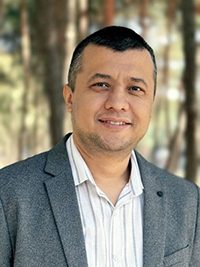
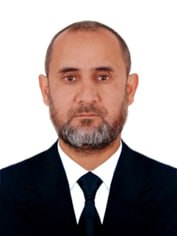
Temur Turdaliyev
Katta ilmiy xodim, PhD
ORCID: https://orcid.org/0000-0002-0732-9357
e-mail: turdaliev@iplt.uz

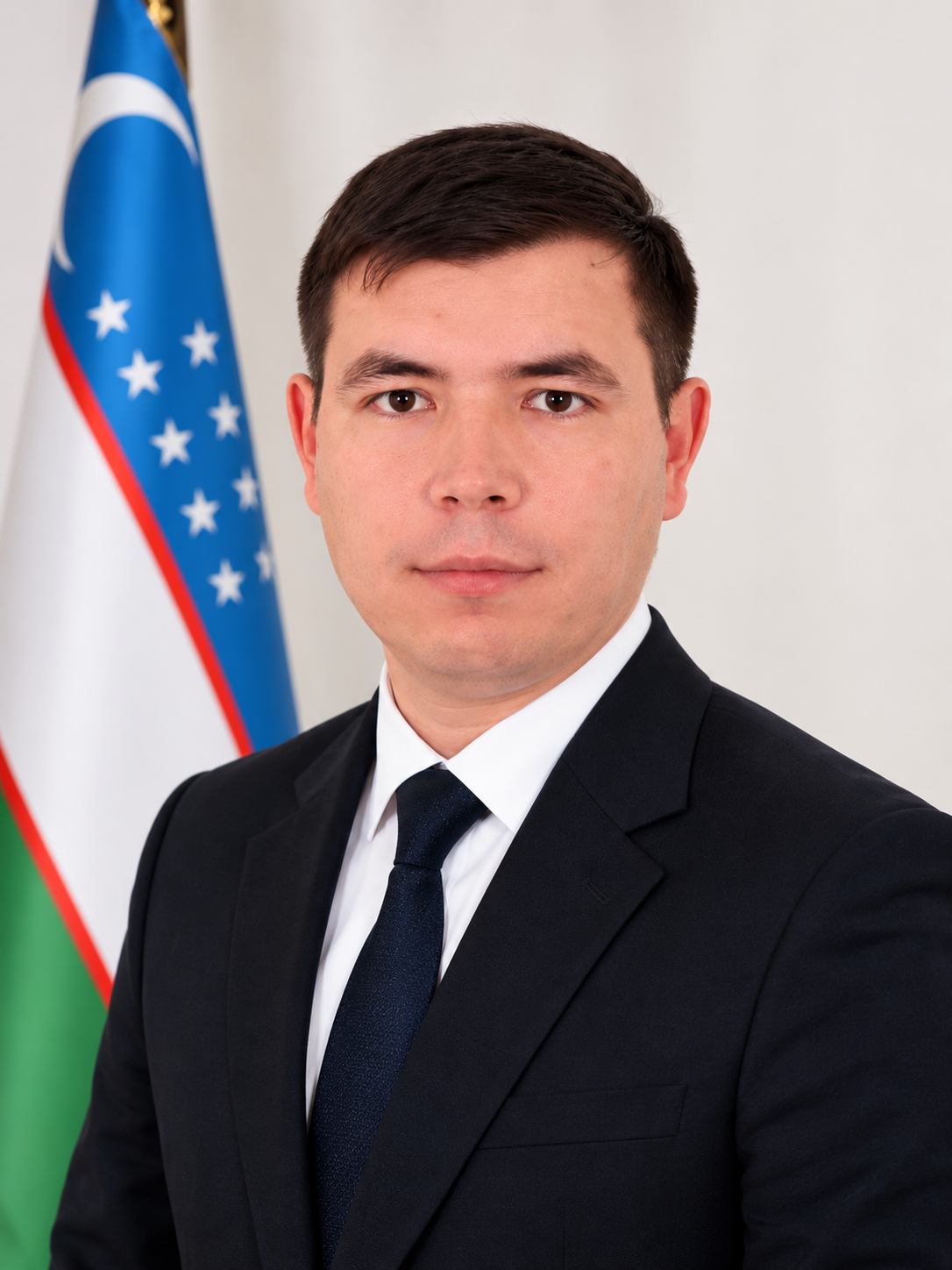
Head of the Laboratory:
Adilov Mukhammadjon Masharibovich
PhD in Physics and Mathematics, Senior Researcher
E-mail: adilov@iplt.uz


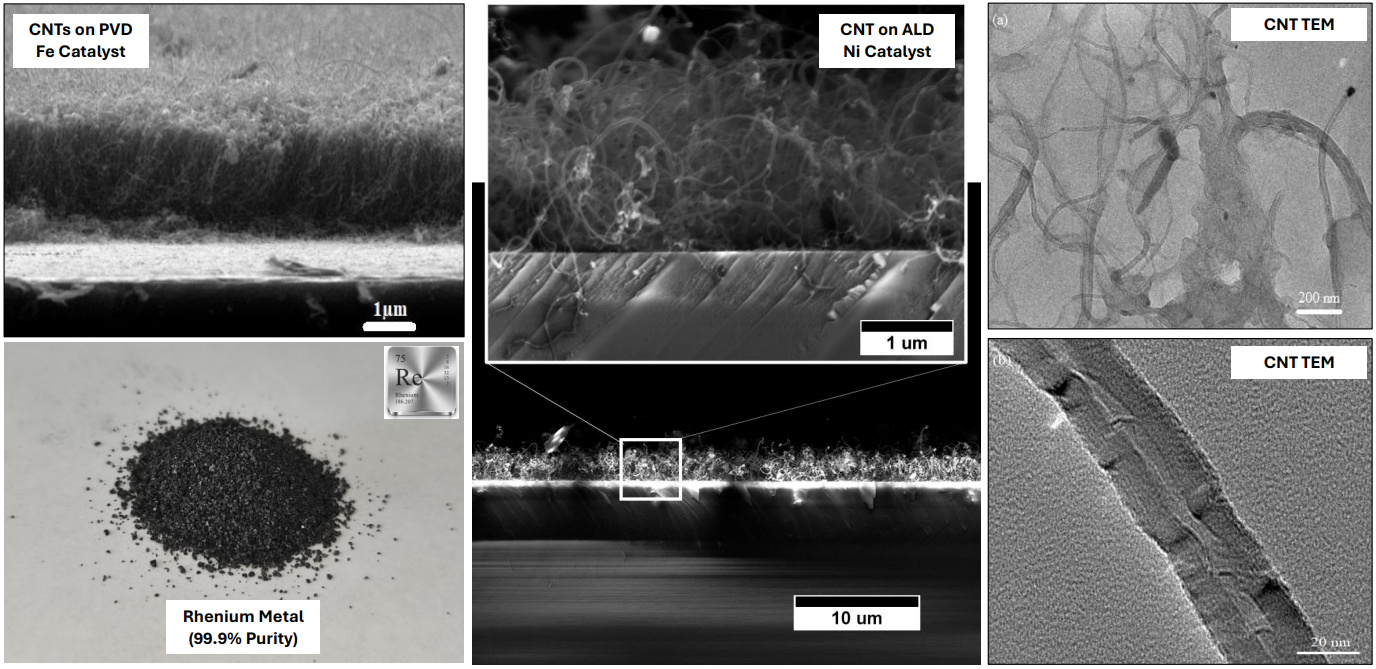
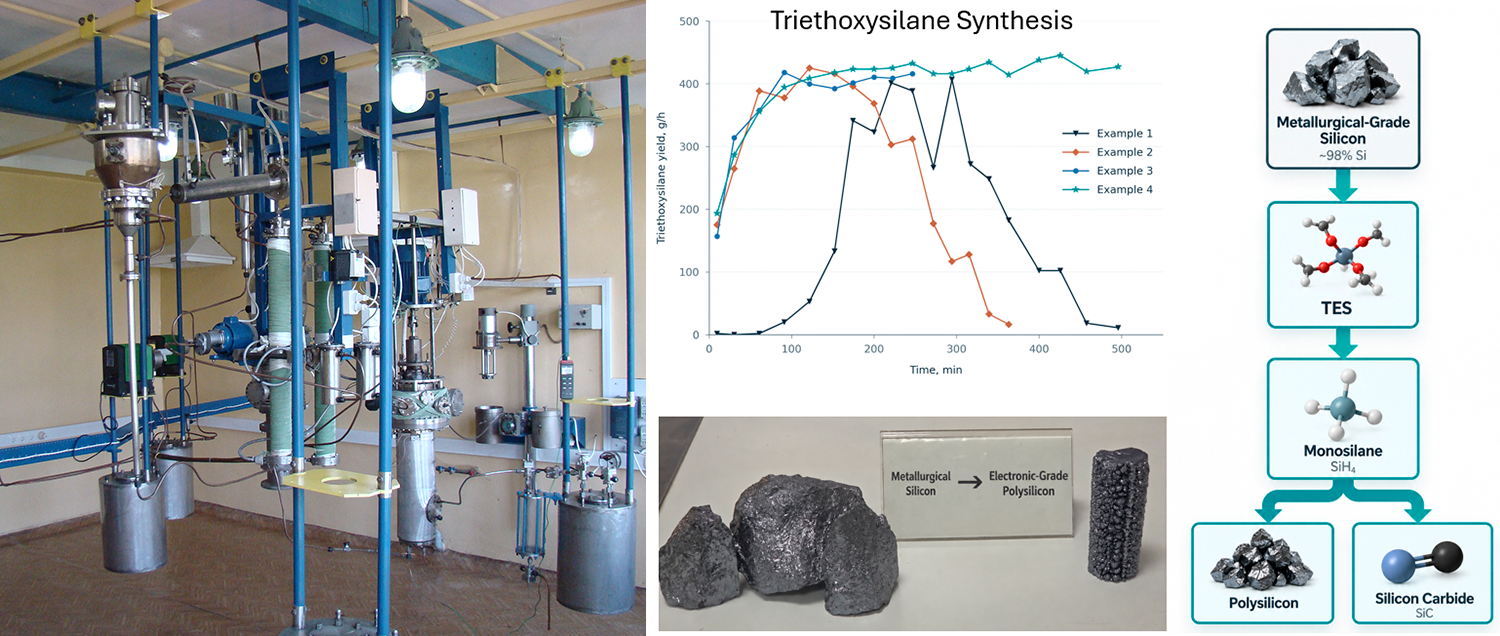


Patents protecting the chlorine-free monosilane production technology in Uzbekistan and international jurisdictions.
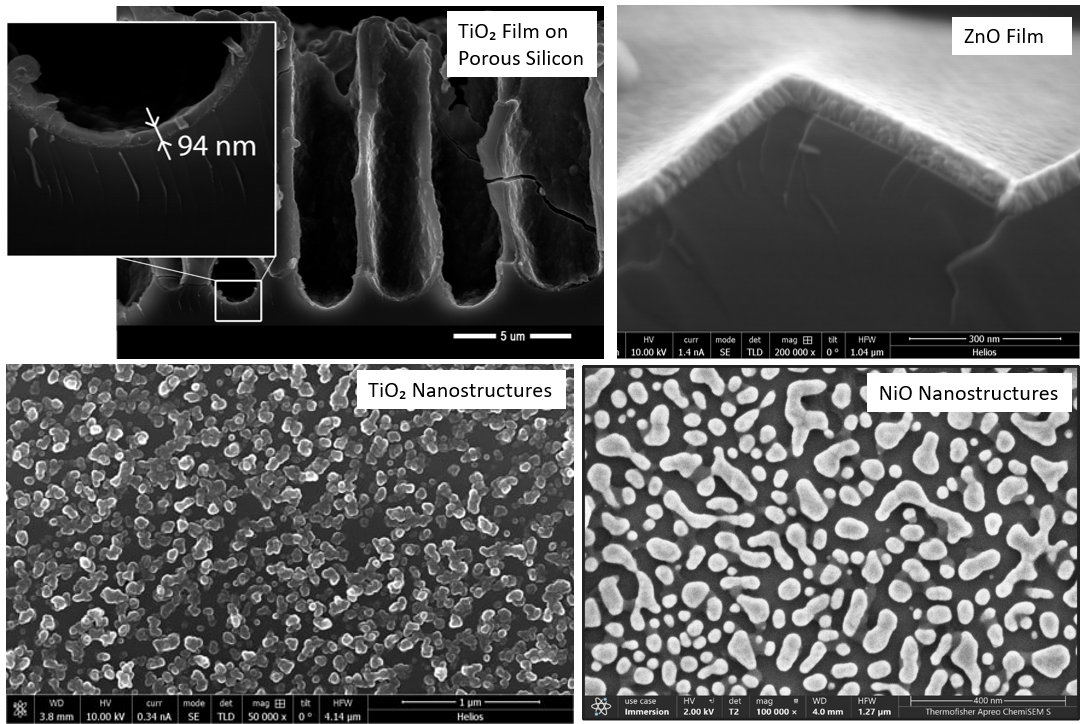
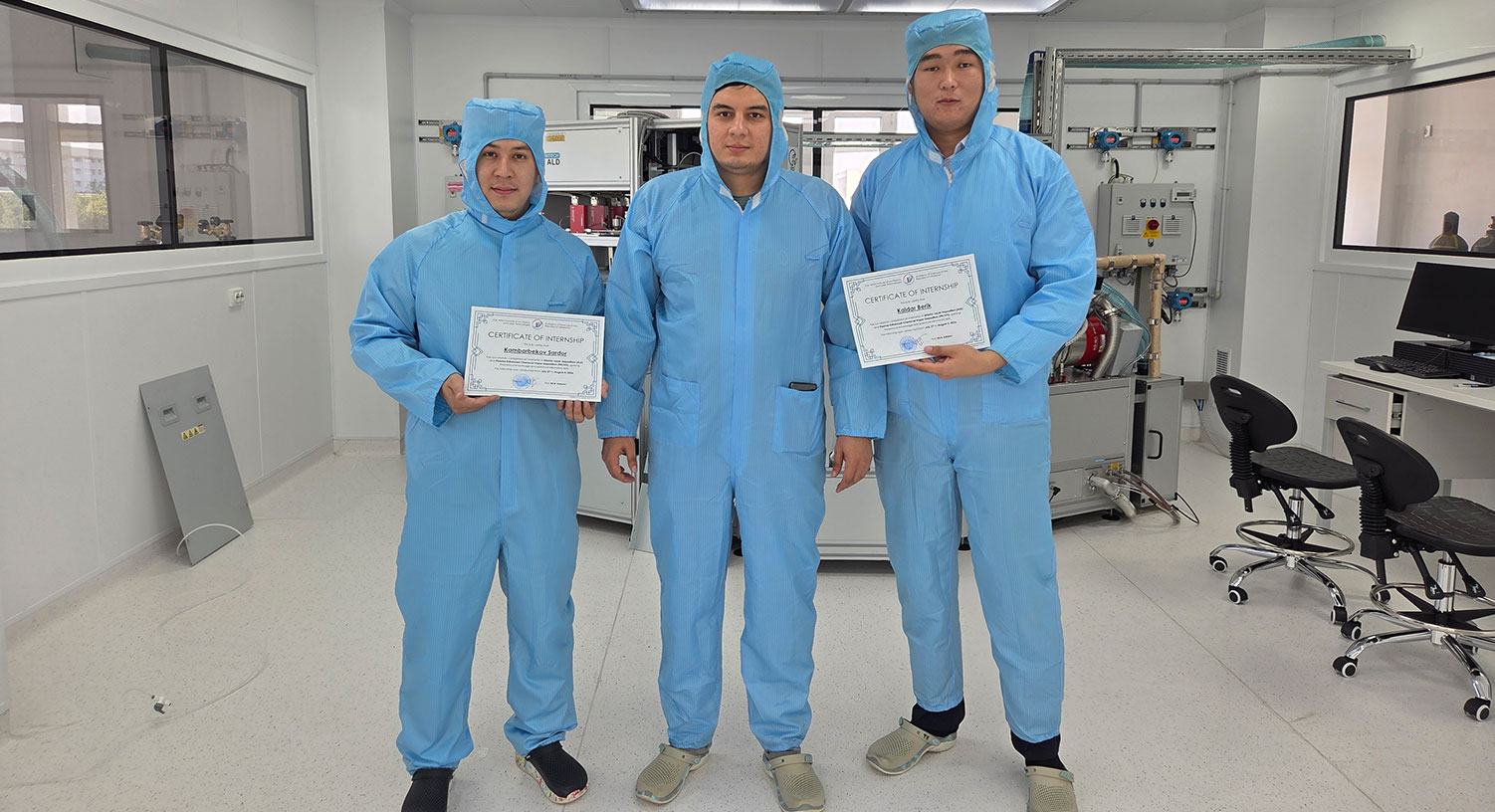
In 2026, the Institute of Ion-Plasma and Laser Technologies and Khoja Akhmet Yassawi International Kazakh-Turkish University (Kazakhstan) established a formal cooperation agreement to promote joint research, academic exchange, and scientific training. As part of this cooperation, two students, Sardor Kambarbekov and Berik Kaldar, completed research internships at the Laboratory of Applied Nanotechnologies under the supervision of Dr. T. K. Turdaliev. The training program focused on atomic layer deposition (ALD), thin-film synthesis, and materials characterization. Both participants received certificates upon successful completion of their internships.
The Laboratory of Applied Nanotechnologies is collaborating with Karadeniz Technical University (KTU), Türkiye, on a joint research project for 2026–2028 focused on the development and investigation of advanced Ti6Al4V–Re (titanium alloy–rhenium) materials.
The project aims to investigate the influence of rhenium addition on the microstructure and properties of Ti6Al4V-based materials, with particular emphasis on material synthesis, structural characterization, and potential engineering applications.
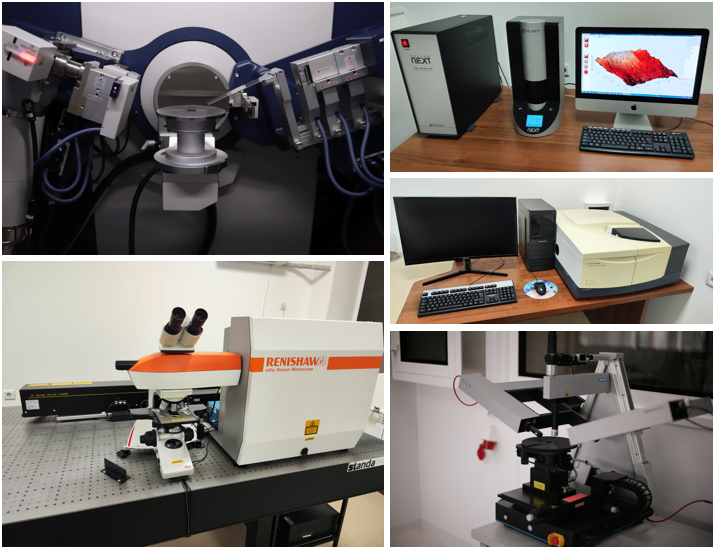
The Laboratory of Applied Nanotechnologies welcomes collaboration with universities, research institutions, and industrial partners in the following areas: